
Understanding the Effects on Nature and Eco-Systems
Tree stump removal is a common practice after tree felling, but it comes with various environmental implications. Trees provide numerous ecological benefits, and their removal can impact local ecosystems. Stumps are often left for aesthetic reasons or ground down to clear space. This action affects soil health, wildlife habitats, and carbon absorption. Thus, it’s crucial to understand both the positive and negative impacts of this process on the environment.
The Pros of Natural Decomposition
Leaving stumps to decompose naturally has several advantages. It minimizes soil disruption and allows nutrients to return to the earth. As stumps decay, they enrich the soil, fostering plant growth. They also serve as habitat for insects and small animals, supporting biodiversity. These benefits highlight why some environmentalists advocate for minimal intervention in natural processes.
The Environmental Concerns of Stump Grinding
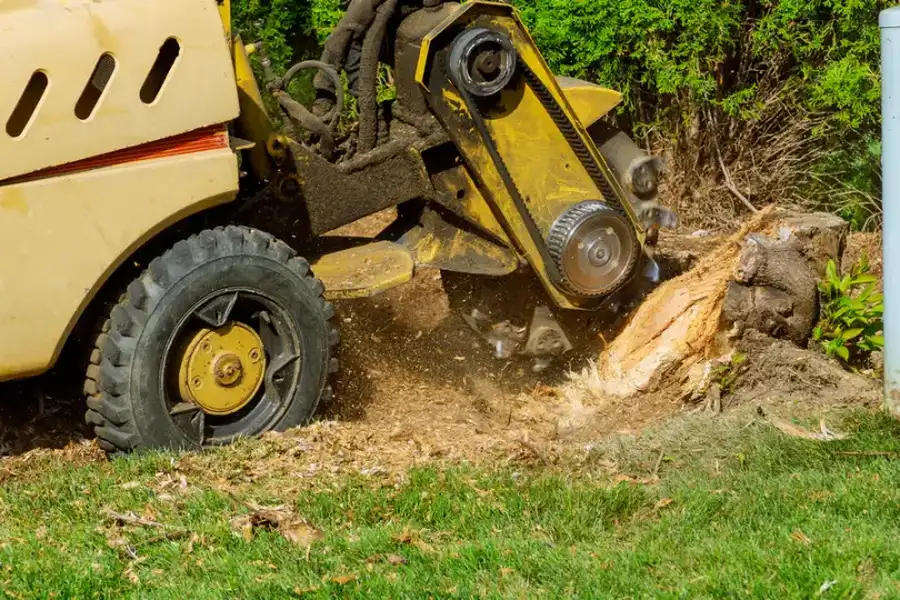
While stump grinding offers a quick solution for removing tree remnants, it raises certain environmental issues. The use of heavy machinery compacts soil, reducing its ability to support plant life. Additionally, it can disturb microorganisms essential for soil health. Moreover, the noise and emissions from machines contribute to pollution. Considering these factors helps in making informed decisions about landscape management.
Impact of Stump Grinding on Soil Quality
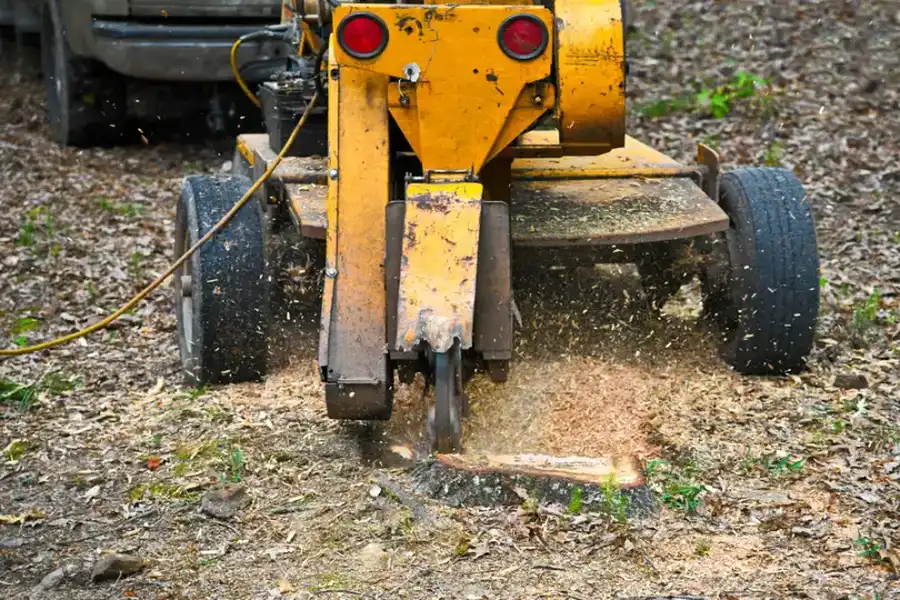
Stump grinding significantly impacts soil structure. When stumps are removed, the soil can become compacted, which limits water infiltration and root penetration. Over time, this can lead to decreased fertility and increased erosion risk. It’s vital to consider these effects when planning land use changes that involve clearing trees and stumps.
Alternatives for Stump Removal
Several eco-friendly alternatives exist for managing unwanted stumps without resorting to mechanical grinding. Chemical decomposition using safe compounds speeds up decay without harming surrounding vegetation. Manual removal is labor-intensive but reduces mechanical disturbance. Each alternative should be considered based on specific environmental goals and site conditions.
Best Practices for Minimizing Impact
Implementing best practices helps lessen the negative effects of stump removal. Choosing smaller, less invasive equipment can reduce soil compaction. Creating buffer zones around sensitive areas protects habitats while work is carried out. Regularly assessing site-specific needs ensures responsible environmental stewardship during any removal project.
Cost Factors in Stump Removal Methods
Costs vary widely depending on the chosen method for stump removal. Mechanical grinding is typically more expensive upfront due to equipment rental fees and labor costs. However, manual or chemical methods may require more time and ongoing maintenance, affecting long-term budgets. Assessing all options helps balance economic and environmental considerations effectively.
Making Environmentally Friendly Choices
When considering stump removal, prioritize sustainable methods that align with environmental values. Weighing the pros and cons of each approach allows for better decision-making tailored to your site’s unique needs. Implementing environmentally friendly practices not only preserves the ecosystem but also aligns with broader conservation efforts.
Your Partner in Sustainable Landscaping
Our team at Berrys Tree Service LLC is committed to providing eco-conscious landscaping solutions tailored to your needs. We operate out of Montville, CT, ensuring that our services remain accessible and convenient. Reach out today by calling (860) 333-0073 to discuss how we can support your sustainable landscaping projects effectively.